Quivera NWR, Kansas to Karval, Colorado – Mountain Plover

After leaving Konza, I headed in the direction of Great Bend and Quivera National Wildlife Refuge.  I’d heard about a few Whooping Cranes being seen there that week and that it was one of the most likely spots to hear and possibly see a Black Rail.

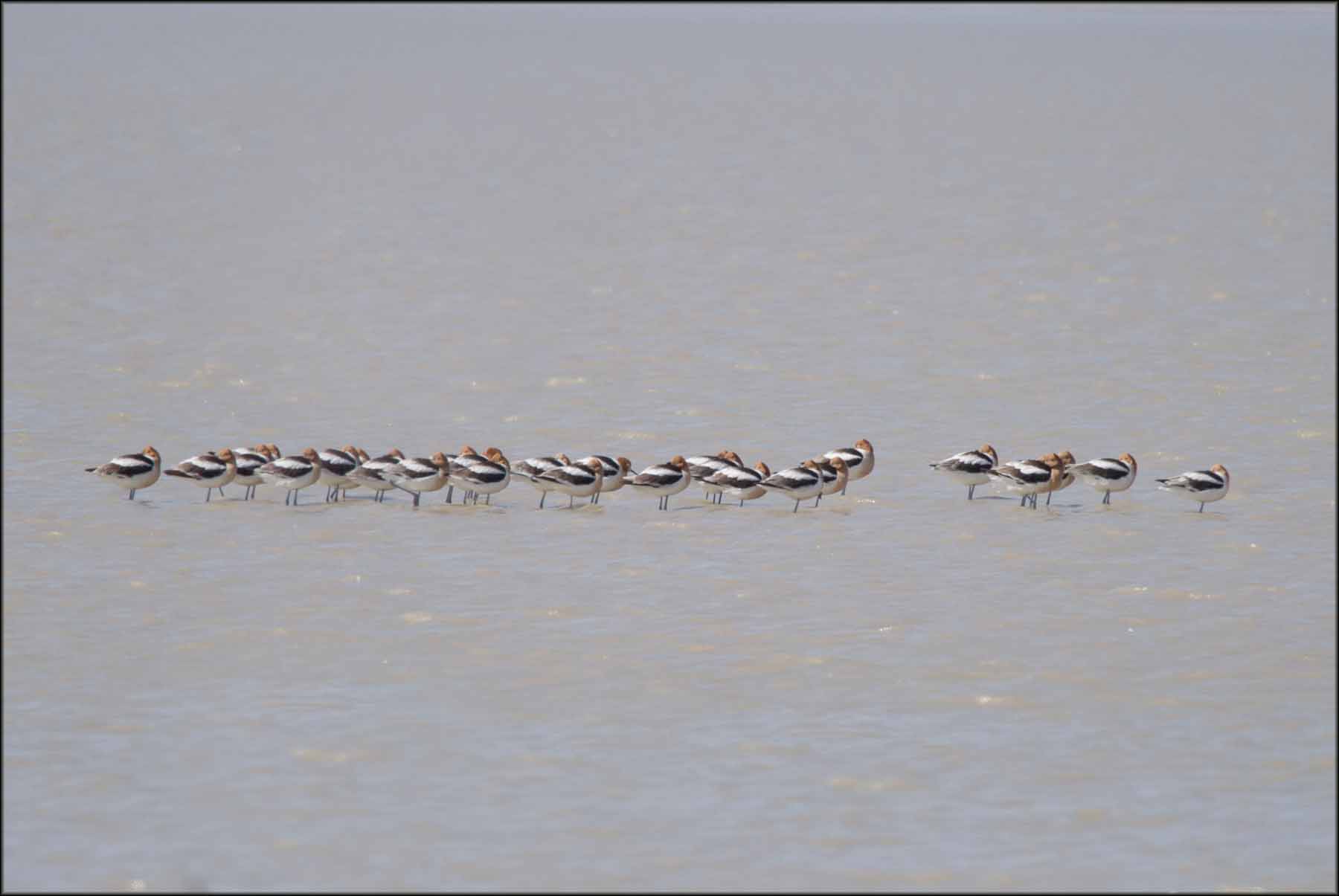
Try as I might though I couldn’t find either but it has a wonderful driving tour, along quite a bit of water.  Lakes, ponds, wet ditches, sedge and more make up this refuge. There were thousands of ducks, shovelers, teals, ruddy, mallards, gadwalls, scaups and wigeons.  Along one flat I had many shorebirds, Wilsons Phalaropes, Avocets, Stilts, both Yellowlegs, Snowy Plovers, Bairds, White-rumped, Western, Least, Semi-palmed and a lone Piping Plover.  I spent 3 hours driving through the Refuge, stopping often for photos.  I tried unsuccessfully for Black Rail, it was a worthwhile longshot but I was a few weeks early.  I left the refuge but I am sure I’ll return.
AmericanAvocet2013

AmericanAvocet2013B

EaredGrebe2004

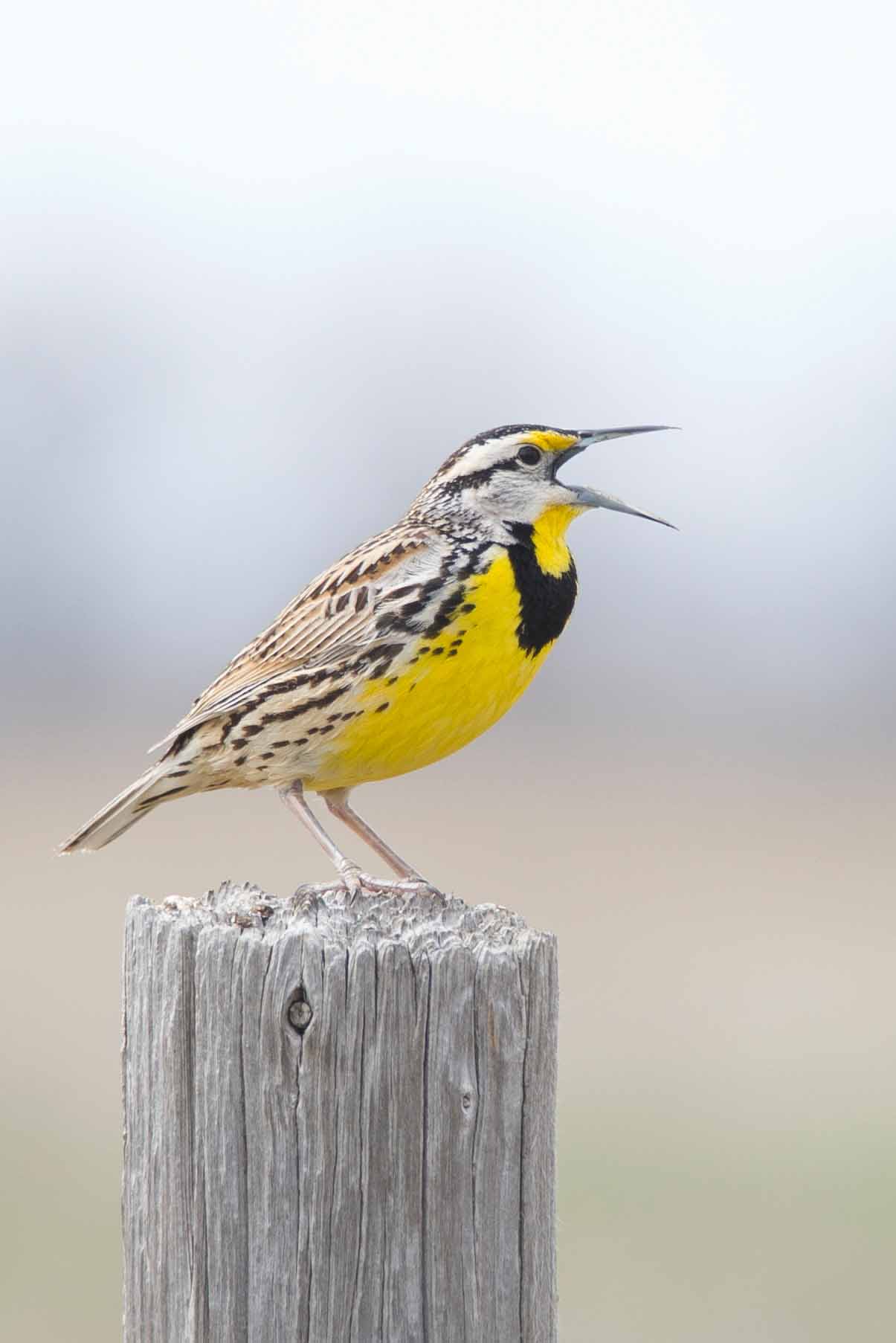
EMeadowlark2013

NorthernShoveler2013

SemipalmedSandpiper2013

SnowyPlover2013


I now headed west into Colorado, to the town of  Karval,  which is the site of the yearly Mountain Plover Festival.  The festival was started to help the local economy.   Due to the drought conditions of the few past years, local’s have been forced to sell their livestock or go broke trying to feed them.  They provide a wonderful weekend of wildlife viewing tours, entertainment, great food and of course Mountain Plovers.  The tours are on private land which would normally be inaccessible. Contact Cherry and Carl Stogsdill at  (719) 446-5354 or website www.karval.org

By now afer a few days I had to admit the weather was really taking its toll on me, overcast, windy and cold but the prospect of a snow storm April 16th made me change my plans, I called Carl and postponed my trip to his home and Karval.

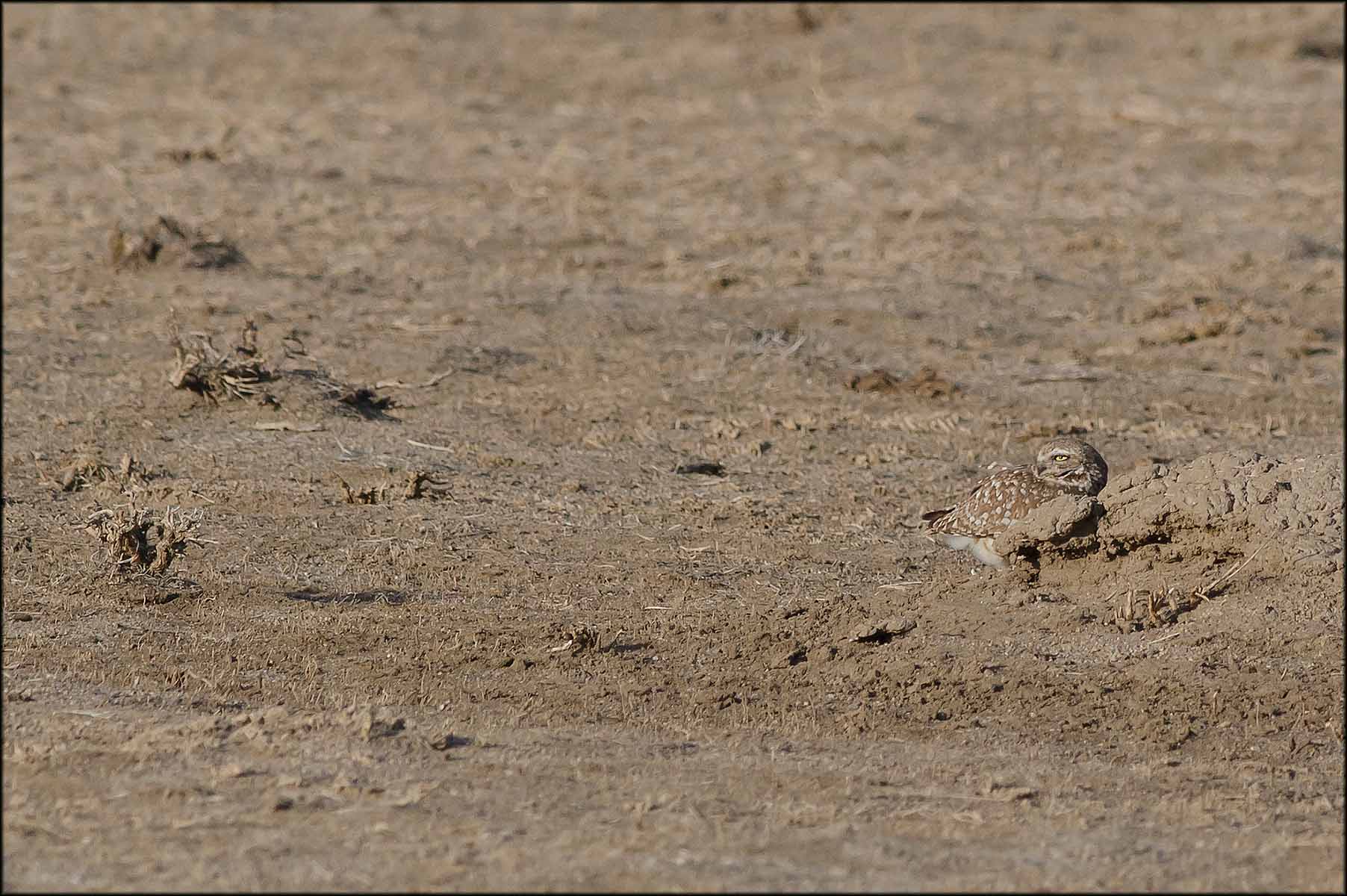
Fast forward to the 19th, quite a bit of bad weather and many miles. I returned to Karval and met up with Carl at his ranch.  We drove out into a field that was probably 1,000 acres of windblown dirt, not a bit of grass and started glassing for birds but no luck.  Driving a mile or so from this field we entered another similar field.  We quickly started seeing action, a burrowing owl, a few larks, and killdeer got our attention but still no Plovers.

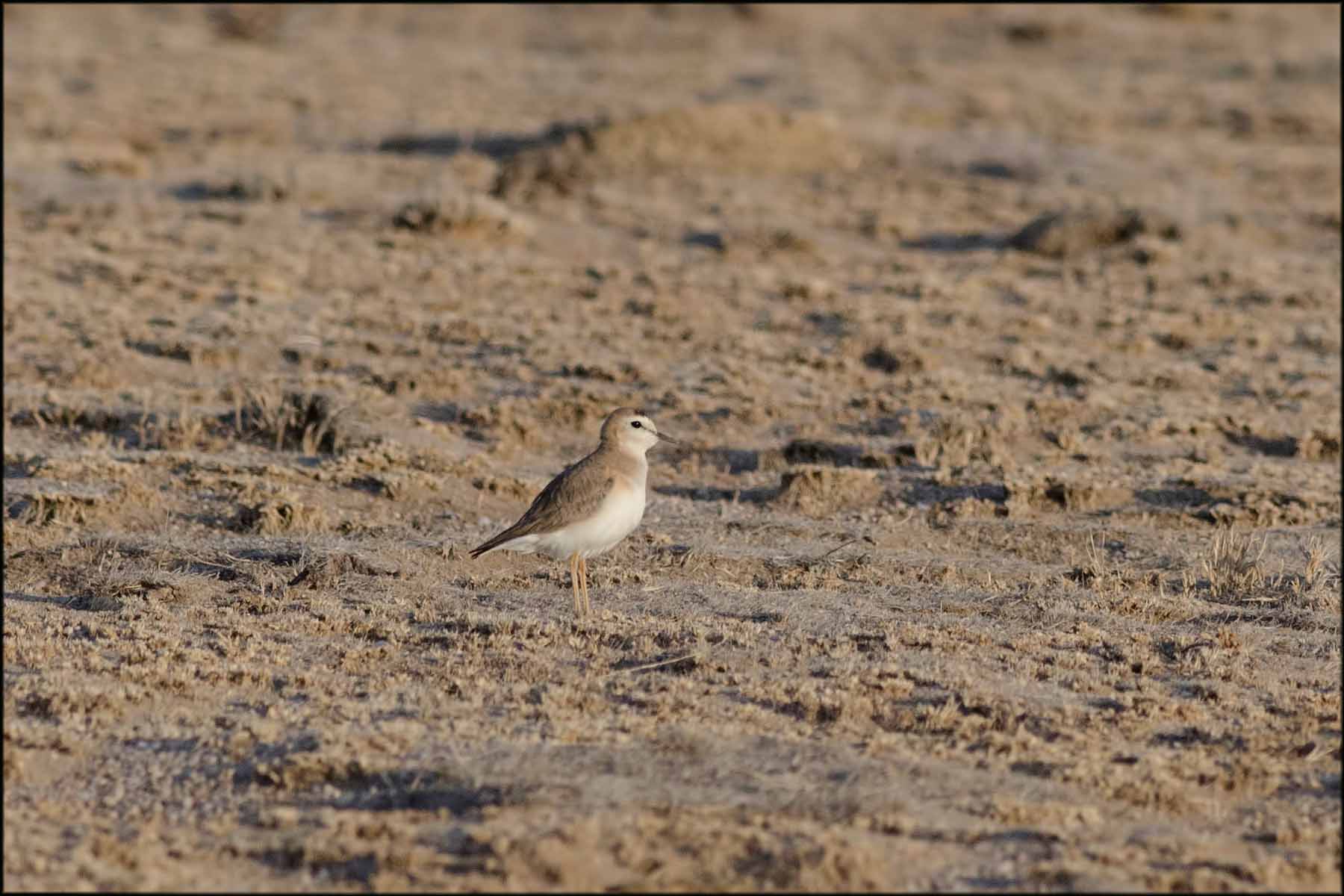
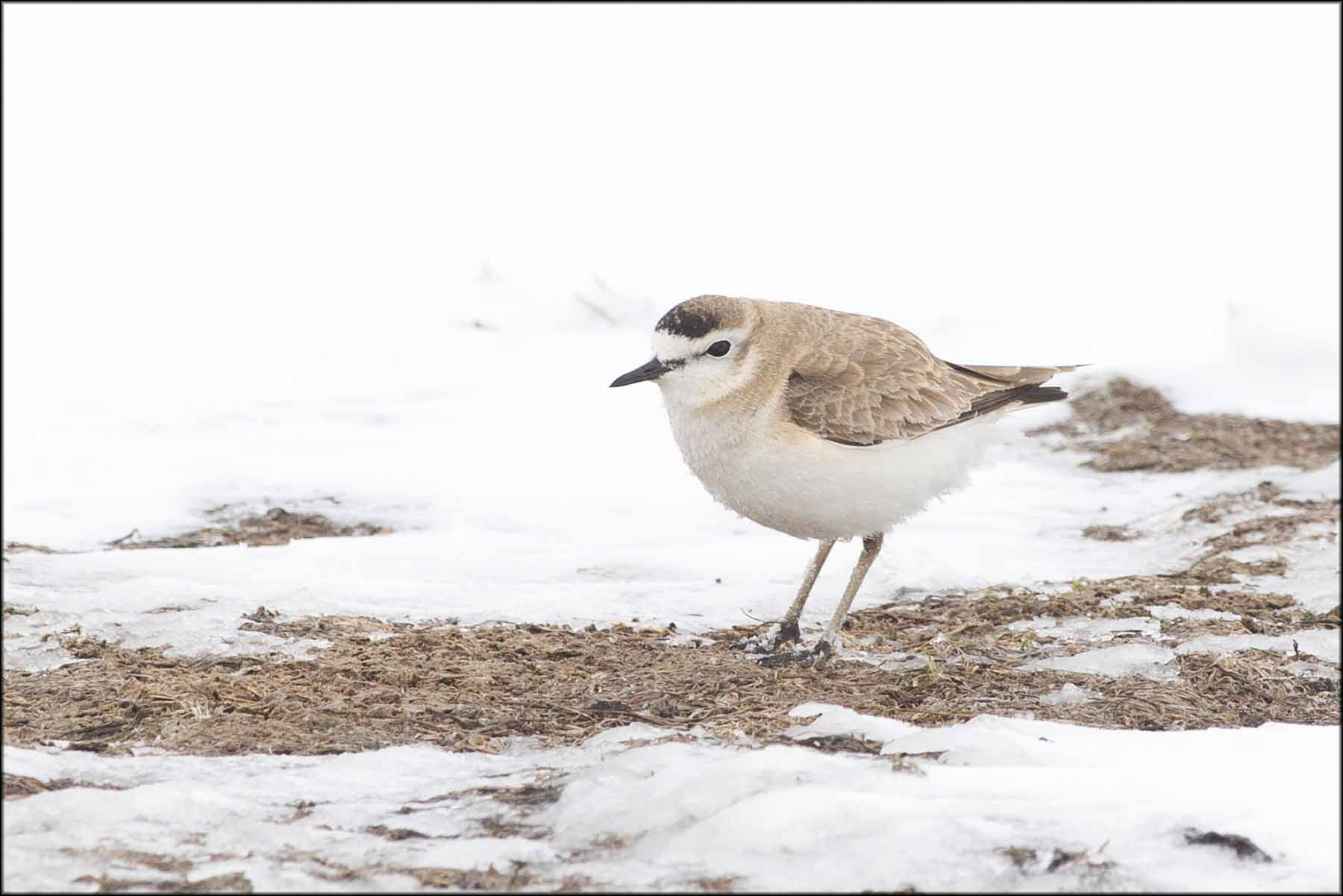
Imagine trying to find a brown bird in a brown dirt field the size of Almonte but after much searching, we had a Mountain Plover in our sights.  Carl really knows his birds, all we did was park the truck and the birds came to us, they are very inquisitive.  Soon we had 3 birds within 100 yards of the truck.
BOwl2013

MountainPlover2013B3

MountainPlover2013B

MountainPlover2013

I got some great views of these birds but for the life of me can’t figure out why they are called Mountain Plovers because they certainly don’t live or breed anywhere near mountains.

My thanks to Carl and Cherry Stogdill for their hospitality, I wished I’d had more time to stick around.  I’d lost 2 days of my trip by this time due to weather and really had to get a move on.

Ciao for now
Posted in Birds | Leave a comment

Greater Prairie Chicken – Konza Prairie Preserve, Kansas

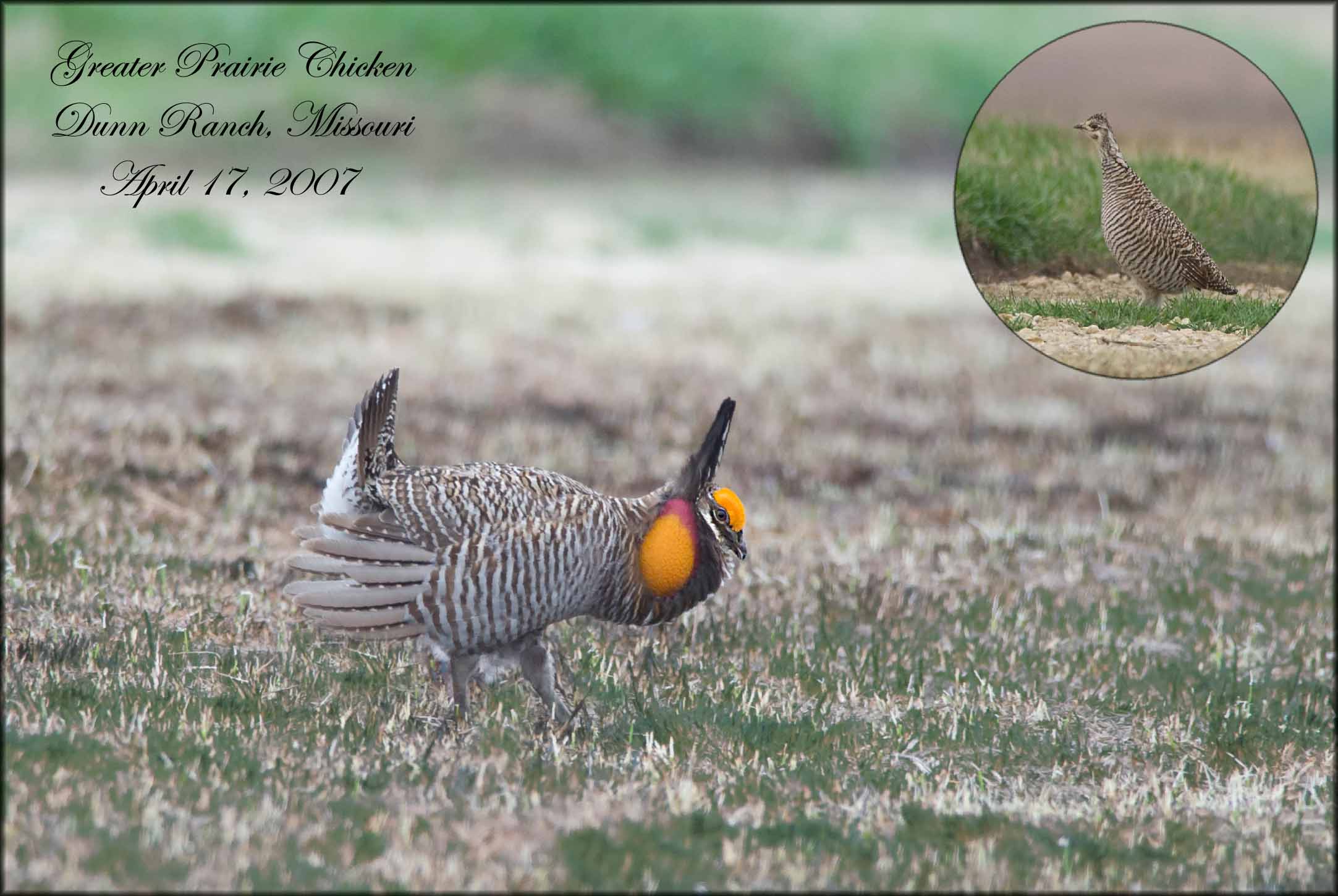
This was not a new bird for me but I did want to improve on my previous photos.  Back in April 2007, I had travelled to Missouri to see these birds on a lek at the Dunn Ranch.  I’d had problems with my brand new Sigma lens.  I didn’t have a backup and most of the photos were blurry.

This time I travelled to Manhattan, Kansas, to the Konza Prairie Biological Station. This native tall grass preserve is in the Flint Hills area of NE Kansas and encompasses over 8600 acres.  They run tours Thursday to Sunday from March 22nd to April 21st.  Reservations are required on a first-come-first-served basis.  I contacted KPBS via email, for general information about viewing Greater Prairie Chickens at konza@ksu.edu and spoke to Jan Evans (785-587-0381) to set up a date for viewing.  For a very reasonable fee of 25$, you can get access to the blind.

Next morning April 15th, I got turned around leaving the hotel (road construction and GPS confusion) and was in panic mode for a few minutes.  After a bit of high speed driving to get back on track, I met docent Chod Hedinger at 5:30am and introduced me to Brent Gordy who drove me to the viewing blind.

The blind holds about 8 people and has viewing ports, there are soft mats for you to sit on.  On this day the birds were fairly close (within 50-100 yards), binoculars were fine but having a scope along is a good idea.  If you want photos, space is limited and I wouldn’t really bring anything bigger than a 300 mm lens (with converters) on a tripod.  It can be very cramped, with limited movement front to back for the big 600 or 800’s but really depends on the number of people.

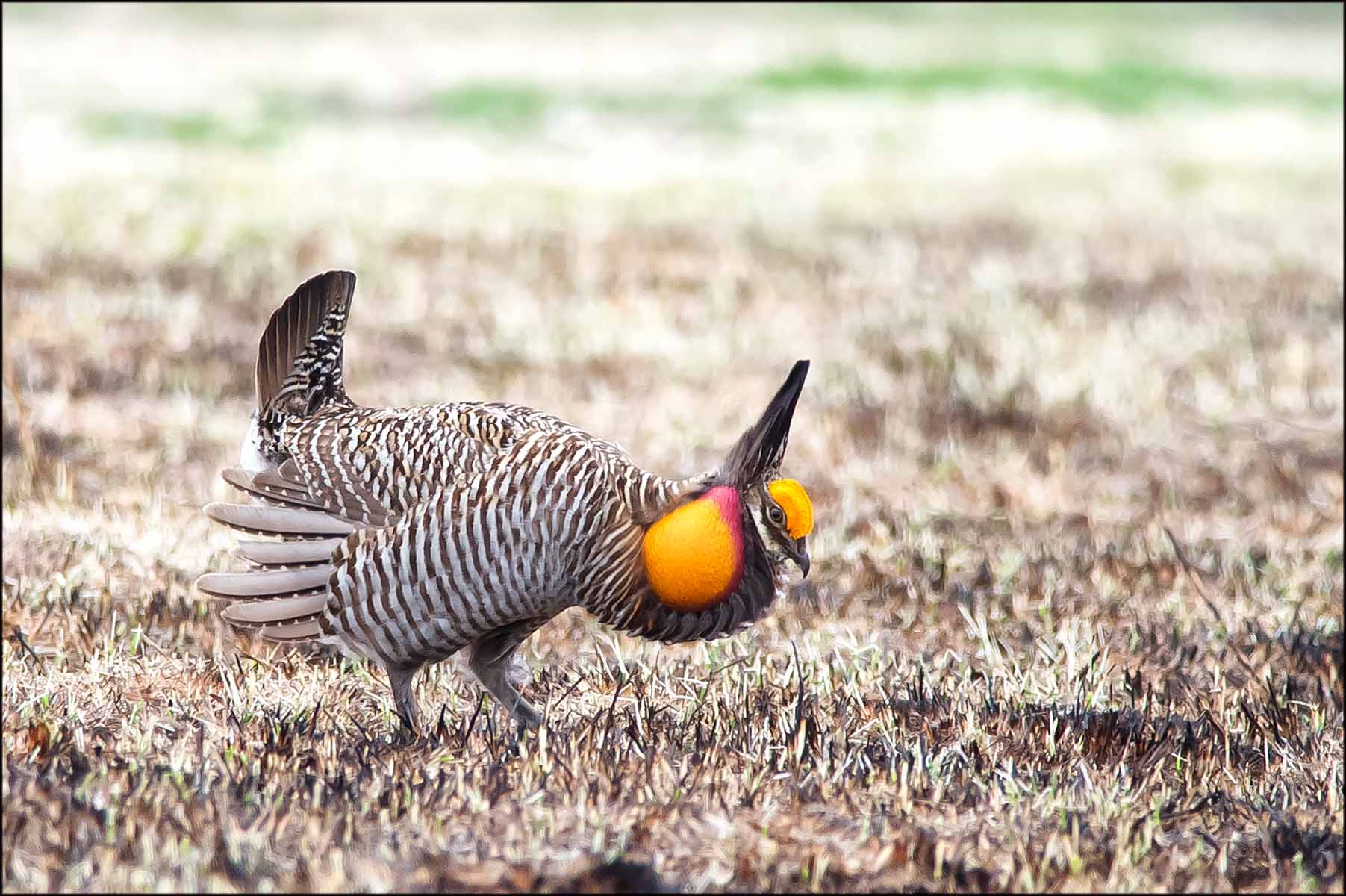
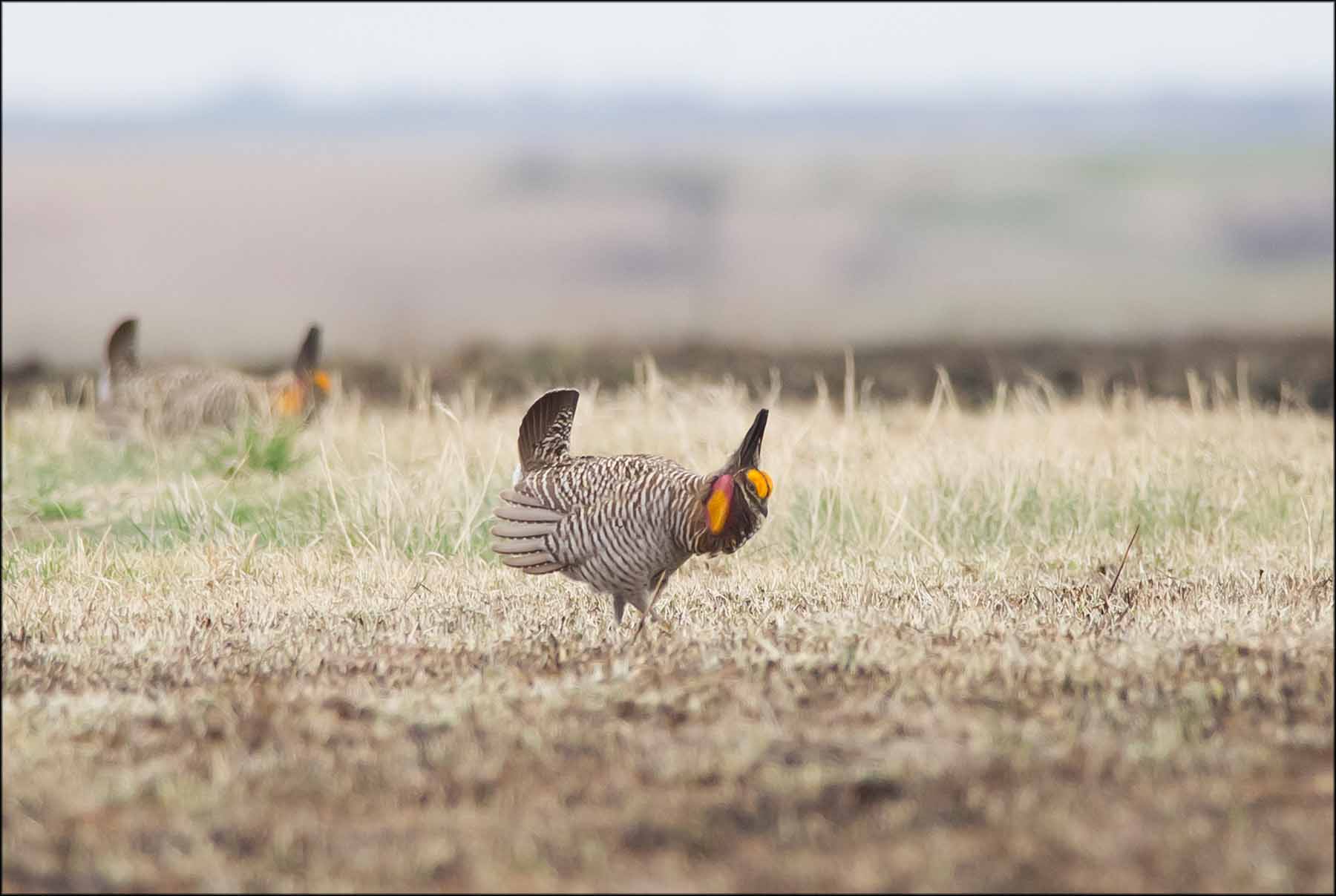
The wait wasn’t really very long, after 5 minutes we heard the birds calling and then started to see movement.  The birds strutted, danced, stamped their feet and inflated air sacs on the side of their necks for almost 2 1/2 hours as they try to attract females to mate and continue to do so until the females lose interest and leave.

As soon as the sun came up I knew getting a decent photo would be tough, the grass had been control burned, the ground was all black, heavy clouds blocked the light.  Low ISO went out the window and I started at 25000 ISO and worked my way down to about 4000 before the birds left.  The photos I was able to get were grainy and the action images were blurred.  What I did get was much better than back in 2007.

ISO: Camera Sensitivity, the lower the light the higher the ISO needs to be to capture details but the higher your ISO, the grainier the image.

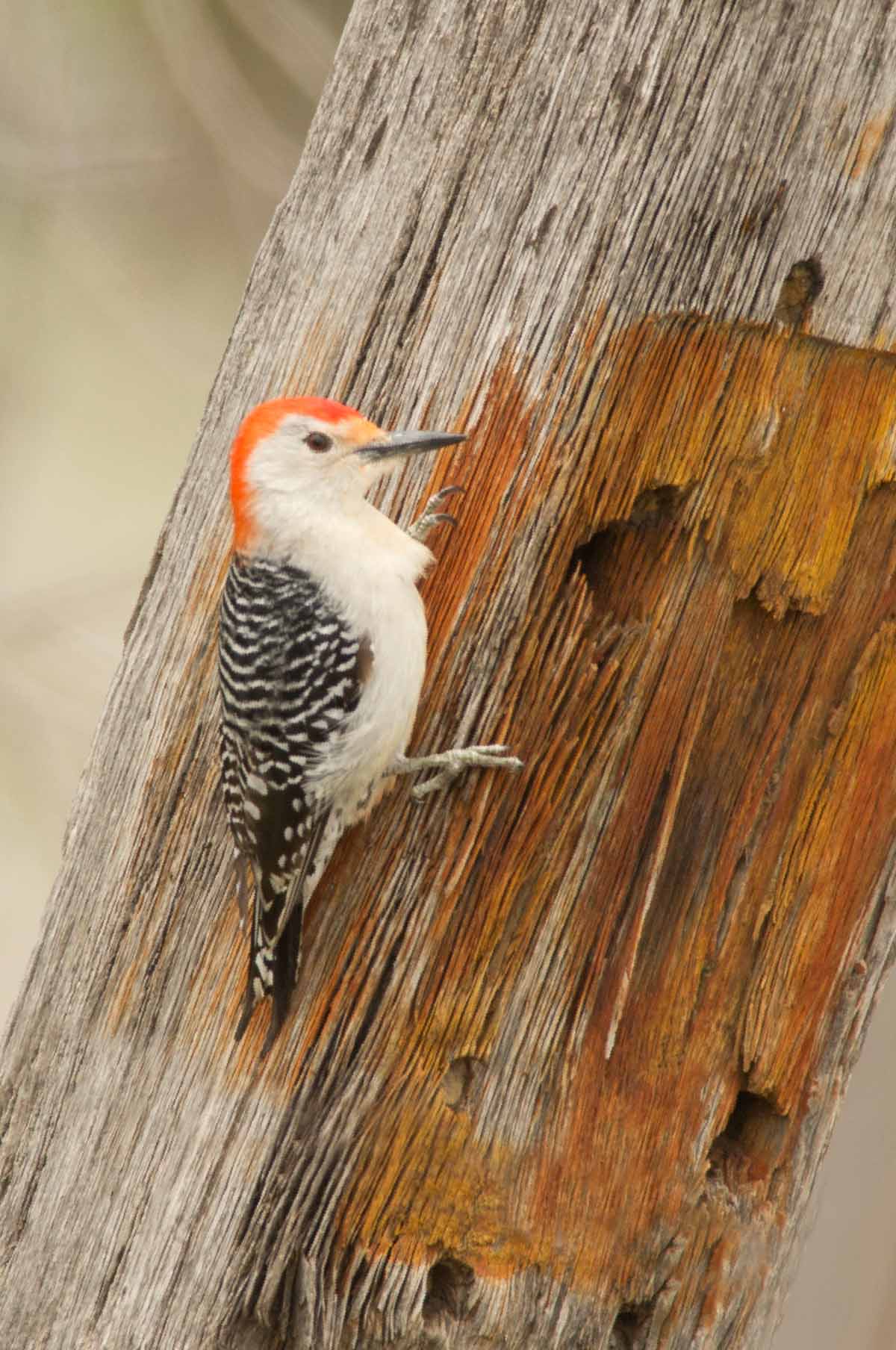
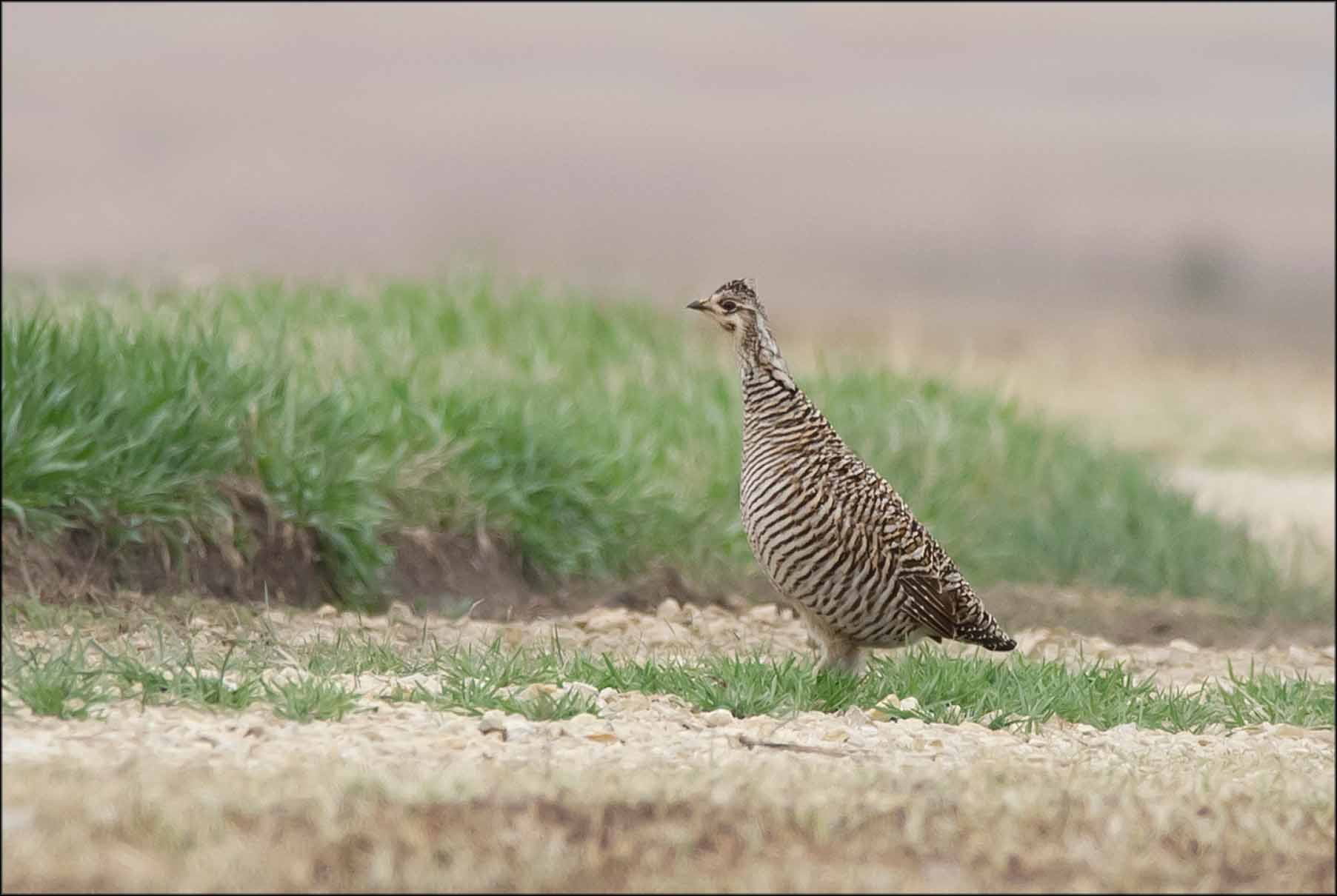
The images below show a few species, I saw on the drive from the airport and the Manhattan, KS and Lek photos.  Chicken images are the best I could get and imagine I will go back but allow more time.

These birds are not in trouble yet but they are in direct competition with Ring-necked Pheasants who sometimes lay their eggs in Prairie Chickens nests.  The pheasant eggs hatch first, the prairie chickens leave the nest thinking their young have hatched and the Chicken eggs die.  Too much rain or not enough are about equal a threat. Rain drenches the chicks and drought destroys food sources the chicks need to survive.

Kansas has the largest population of Greater Prairie Chickens with many fine viewing and photo, opportunities

Get out and see them, well worth it.

TurkeyVulture

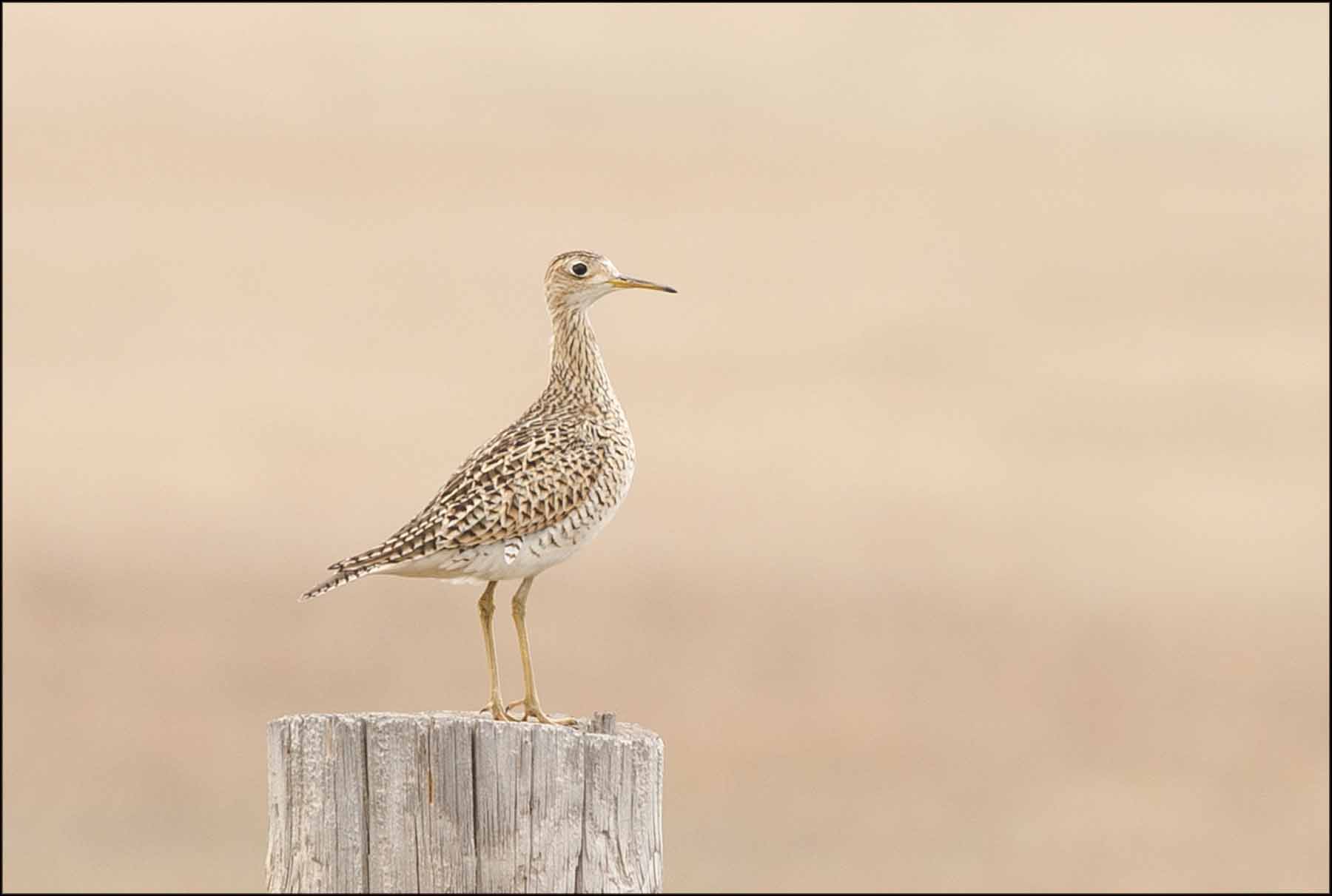
UplandSandpiperC

RedbelliedWoopecker

PChicken2013E

PChicken2013

GreaterPrairieChicken(Female)

Greater Prairie Chicken

I wish to thank Konza, Jan Peters,  docents Chod Hedinger and Brent Gordy for this great opportunity.

I will be back….Ciao for now

Posted in Birds | 1 Comment